
Racial injustice and inequality seem to be at the front of everyone’s minds right now. There are so many conversations taking place every day. More and more people are becoming aware its presence here in our country and the roll it plays in our society.
Plenty of the discussions have been peaceable and productive but at the same time so many end in division. It’s got me asking the age old question, “what would Jesus do”? I believe the Word of God outlines how we should respond, so lets dig in!
Let’s start with the basics! Who Should address prejudice and racial injustice?
Anyone who witnesses injustice has a right and responsibility to address it. In Galatians 2:11 Paul witnessed Peter caught up in prejudice, adding to division by refusing to eat with gentile believers. Paul confronted Peter about his behavior right way and choose to interfere on behalf of the gentiles. He confronted him in front of everyone because he didn’t want new believers to watch his behavior and use him as an example. We have to remember that someone is always watching. When you say you are a Christian they are looking at your actions and listening to your speech. What they see and hear they will assign as a charastic of Christ.
Pauls actions shows us that we should stand up for people even when they don’t look like us or come from the same walk of life that we do. That is the kind of God we serve and the kind of God we represent.
Who Should We Be Willing To Stand Up To?
Here we go, one of those easier said than done kind of things, but the truth is, we should be willing to stand up for what’s right no matter who is displaying the wrong. On the surface Paul had no right to correct Peter. Let’s be real, Peter was one of the original Apostles who travelled with Christ. In fact, he was dubbed by Jesus him self as the “Rock Of the church“. It defiantly would seem like he our ranked Paul.
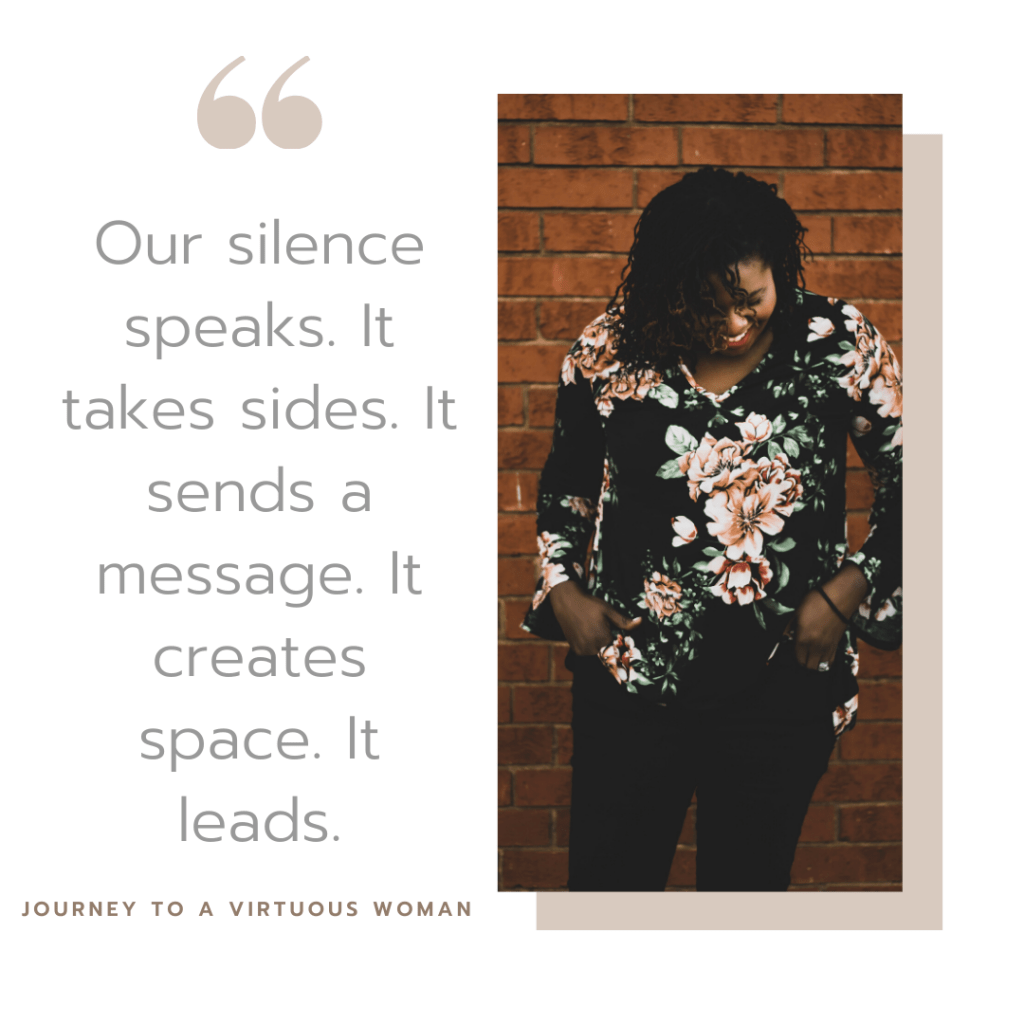
Still, Paul got involved. So often we can feel temped to silently observe from the sidelines. We have to realize that our silence speaks. It takes sides. It sends a message. It creates space. It leads.
How Do We Speak Out Against Injustice?
I think we start by settling on our own personal standards. Let’s take it from Mr. Alexander Hamilton, “those who stand for nothing fall for anything”.
Don’t wait until you find yourself in a questionable conversation or as a witnesses to injustice to decide how you will react. Pray about these things, talk about them with friends and family ahead of time. If you start setting a precedence now then it will come naturally if and when the need arises.
As Christians we need to have a standard for how we will and won’t handle conflict. The Word of God is filled with guidelines to safeguard our words and actions from being used to further the enemy’s agenda.
“But I tell you, do not resist an evil person. If anyone slaps you on the right cheek, turn to them the other cheek also.”
Matthew 5:39 NIV
This does not mean that we need to let people do bad things to us or that we should not defend our selves. It means that we resist the urge to do or say things to intentionally hurt the person who is hurting us. When they choose hate, we choose love. When they turn to insults we insist on the truth. We do not have to call names or find ways to make people feel small to gain the upper ground when we stand on the Word of God.
“Instead, speaking the truth in love, we will grow to become in every respect the mature body of him who is the head, that is, Christ.”
Ephesians 4:15 NIV
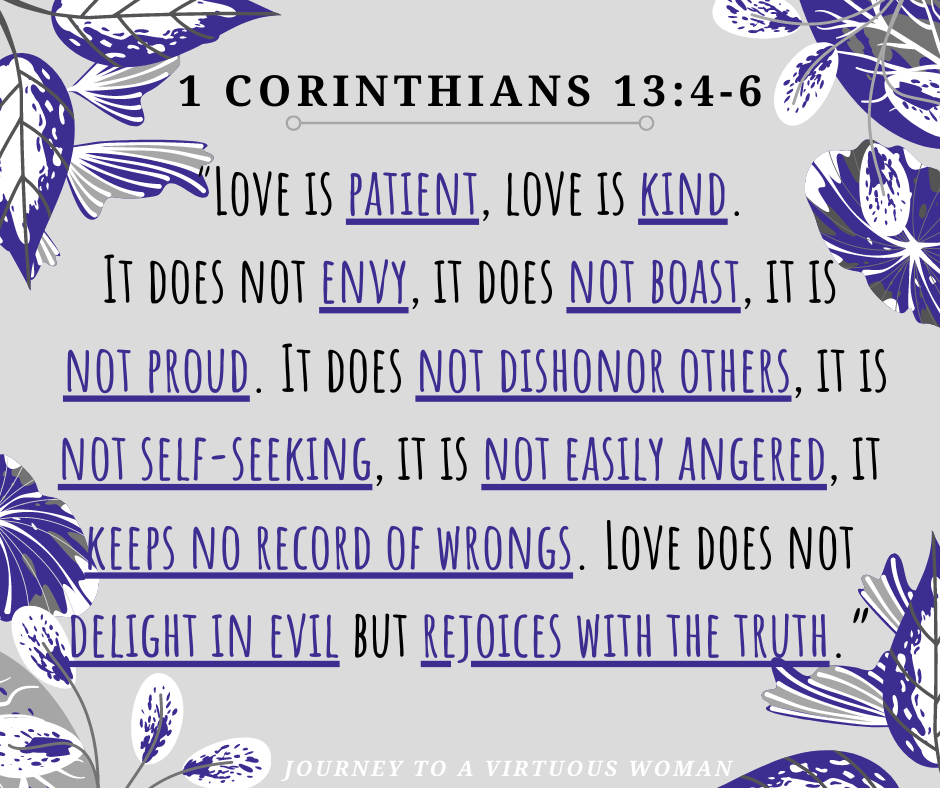
This scipture is quoted so often in the church world. Sometimes it is taken in a “ I love you so I get to speak the truth to you in anyway I see fit”. However, I believe love is more like a filter that we should be applying to the things that we say and do to people. 1 Corinthians 13:4-6 describes each layer of the filter in detail. The list begins with patience and I do believe that it is important to note that we do not have to wait a long period of time to before addressing an issue. Patience is the barrier between responding impulsively and responding with purpose. It can be the second we take to filter all of the cuss words out of the sentence we were just about to say. It can be the pause we use to pray and ask God to be apart of our conversation
There are so many ways to get involved ! There are many organizations you can volunteer for. Infact, here is a link with a list of organizations you many not know about, https://www.civilrightsproject.ucla.edu/resources/civil-rights-organizations. You can join a protest, start a protest, or even use your words and art to communicate a message.
At the same time, we should never under estimate the impact one on one conversations can have. I believe that real change often starts as one person that reaches their community, then reaches a region, then reaches a nation, then reaches the world. It starts with one. It starts with you and me.
 Journey To A Virtuous Woman